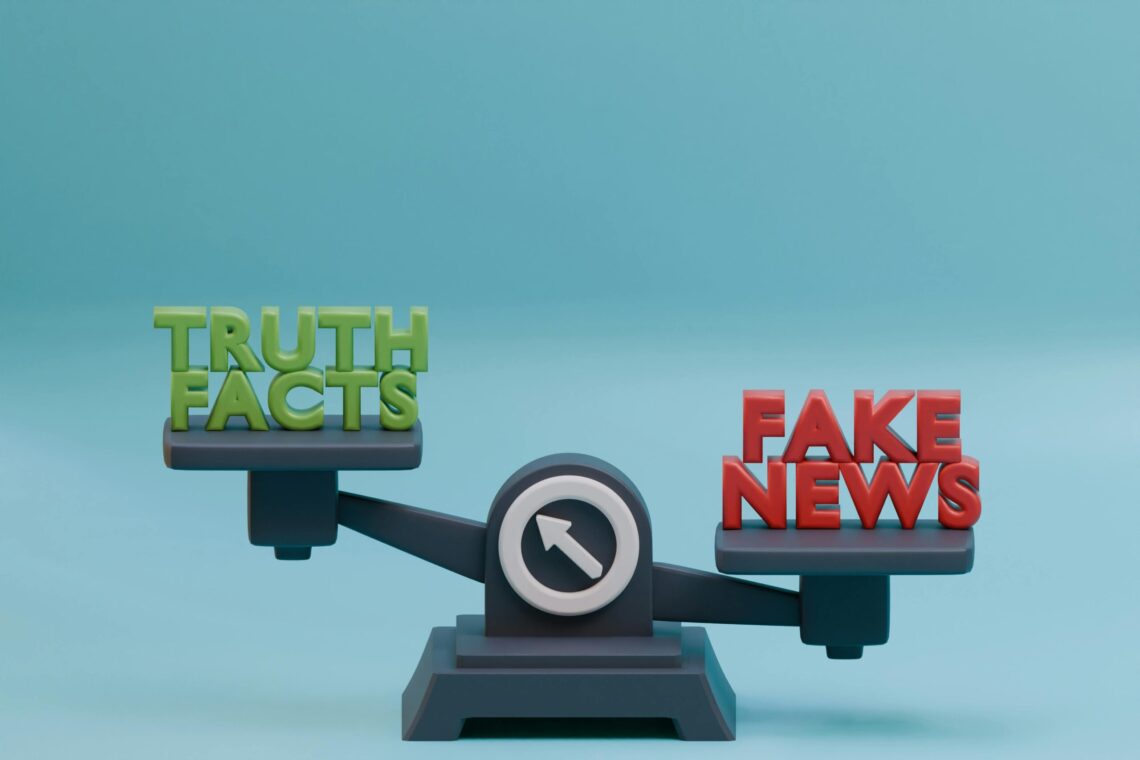
The internet is basically a giant yard sale where half the stuff is useful, a quarter is broken, and the rest is someone’s cousin yelling confidently about things they learned five minutes ago. And somehow, we’re all supposed to know what’s real.
If you’ve ever read something online and thought, “This feels wrong, but I can’t prove it,” congratulations — your instincts work. Let’s sharpen them.
Here’s how to tell when the internet is lying to you, without needing a degree, a flowchart, or a conspiracy board with red string.
1. If it sounds like a movie plot, it probably is.
The internet loves drama. Real life? Not so much.
If a story has:
- a perfect villain
- a perfect hero
- a twist ending
- and a moral lesson
…it’s probably fake, exaggerated, or missing 90% of the context.
Real life is messy. Fake stories are tidy.
2. If the headline screams, the truth whispers.
Any headline that looks like it’s yelling at you is suspicious.
Examples:
- “You Won’t BELIEVE What Happened Next!”
- “Everyone Is Doing THIS and Experts Are Terrified!”
- “BREAKING: Something Wild and Vague!”
If the headline is louder than the information, it’s bait.
Real information doesn’t need to shout.
3. If it makes you instantly angry, pause.
Anger is the internet’s favorite remote‑control button. If something makes you furious in two seconds flat, someone probably designed it that way.
Before you share it, ask:
- “Who benefits if I’m mad?”
- “Who wrote this?”
- “Why does this feel like emotional caffeine?”
If the answer is “I don’t know,” don’t trust it.
4. If the source is ‘a guy,’ it’s not a source.
“The guy on TikTok said…” “My cousin’s friend posted…” “I saw a screenshot of a tweet from someone who knows someone…”
No.
If you can’t trace the information back to:
- a real person
- with a real name
- who has real expertise
…it’s not information. It’s gossip with Wi‑Fi.
5. If the facts keep changing, someone’s improvising.
Truth stays the same. Lies evolve like Pokémon.
If a story keeps getting:
- updated
- corrected
- re‑explained
- “clarified”
- or quietly edited
…it’s probably not solid.
The truth doesn’t need a patch update.
6. If it confirms everything you already believe, be careful.
This one stings, but it’s important.
The easiest lies to fall for are the ones that flatter us.
If something online makes you think:
- “See? I knew I was right!”
- “This proves my point perfectly!”
- “Everyone else is wrong but me!”
…that’s when you should slow down.
The internet loves giving people ego snacks.
7. If it feels too simple, it’s probably missing the real story.
Life is complicated. People are complicated. Systems are complicated.
So when someone online says:
- “The whole problem is just this one thing”
- “It’s actually very simple”
- “Everyone else is overthinking it”
…they’re leaving out the parts that matter.
Simple explanations are great. Oversimplified ones are dangerous.
8. If you can’t verify it in two minutes, don’t trust it.
Here’s the easiest trick:
Search the same claim in a different place.
If:
- nobody else is reporting it
- only sketchy sites mention it
- the details don’t match
- or it disappears when you look deeper
…it’s not real.
Truth leaves footprints. Lies leave vibes.
Bottom line:
The internet lies the same way people do:
- confidently
- loudly
- and with way too much enthusiasm
But once you know the signs, you can spot nonsense from a mile away.
Your brain deserves better than digital junk food. Feed it wisely.